The Forger Who Fooled America's Greatest Museums — Then Helped Them Catch Every Other Fake
The Donation That Changed Everything
For thirty years, Mark Landis walked into America's most prestigious museums carrying a simple gift: beautifully framed artwork he claimed had belonged to his recently deceased mother. Curators welcomed him warmly, accepted his donations graciously, and displayed his pieces proudly. There was just one problem — every single painting was a fake.
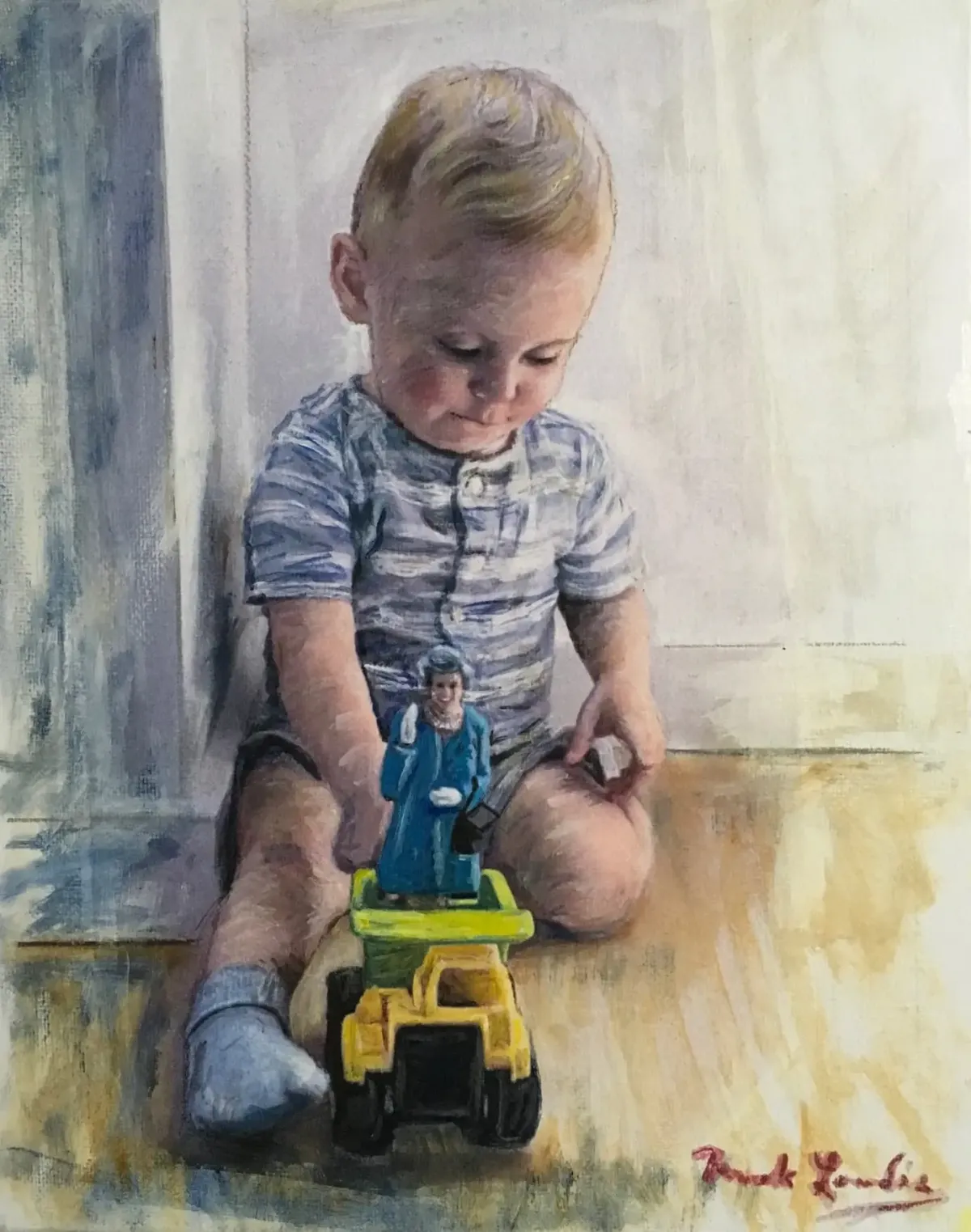 Photo: Mark Landis, via marklandisoriginal.com
But here's where the story gets interesting. Landis wasn't running a con. He never asked for money, never sought tax deductions, never tried to profit from his elaborate deceptions. He was something far stranger and more compelling: a forger driven not by greed, but by an almost childlike need for human connection.
The Mind of a Master
Born in Norfolk, Virginia, Landis grew up in a world that never quite made sense to him. Diagnosed with schizophrenia and struggling with social anxiety, he found refuge in the one thing that came naturally — copying art. Not just copying it, but perfecting it. His reproductions of works by Picasso, Matisse, and countless American masters were so precise that they fooled experts who had spent decades studying the originals.
What drove him wasn't criminal ambition. It was loneliness. Every museum visit, every grateful handshake from a curator, every moment spent discussing brushstrokes and artistic technique gave him something he couldn't find anywhere else: genuine human connection built around his extraordinary talent.
"I never wanted to hurt anyone," Landis would later explain. "I just wanted to feel useful."
The Unraveling
For three decades, Landis operated in plain sight. He donated forgeries to over 60 institutions across 20 states, from small regional galleries to major metropolitan museums. His work was so convincing that it took an obsessed registrar named Matthew Leininger years to piece together the pattern and expose what he was doing.
When the truth finally came out in 2010, the art world expected a massive scandal. Instead, they discovered something unprecedented: a forger whose skills were so refined, whose knowledge was so encyclopedic, and whose methods were so sophisticated that he had accidentally become one of the world's foremost experts on art authentication.
From Deceiver to Detective
The revelation of Landis's activities should have ended his story. Instead, it began an entirely new chapter. Museums that had been fooled by his work started reaching out — not for revenge, but for help. They wanted to understand how he had done it. They needed to know what they had missed. They realized that someone who could create such perfect fakes might be exactly the person they needed to catch imperfect ones.
Landis found himself in the surreal position of being consulted by the same institutions he had deceived. His intimate knowledge of artistic techniques, his understanding of how museums operate, and his ability to spot the subtle tells that separate originals from copies made him invaluable to a field suddenly aware of its own vulnerabilities.
The Unexpected Teacher
Today, Landis works with museums, insurance companies, and law enforcement agencies to identify forgeries and improve authentication processes. The man who once fooled America's cultural gatekeepers now helps protect them from others who might try to do the same.
His story has become required reading in museum studies programs, not as a cautionary tale, but as a masterclass in the complexity of artistic authenticity. Students learn that the line between deception and expertise is often thinner than anyone wants to admit, and that sometimes the people who break the rules understand them better than anyone else.
The Art of Redemption
What makes Landis's journey so compelling isn't just the technical mastery or the institutional embarrassment he caused. It's the reminder that talent doesn't always announce itself in socially acceptable ways. His need for connection led him to deception, but that same deception revealed skills that the art world desperately needed.
In a culture obsessed with authenticity, Landis proved that sometimes the most authentic thing you can do is admit you've been faking it all along. His transformation from master forger to trusted consultant demonstrates that the path to legitimacy doesn't always run through conventional channels.
The museums that once displayed his fakes now display something far more valuable: the knowledge that expertise can emerge from the most unexpected places, and that sometimes the best way to protect art is to learn from the people who know how to fake it perfectly.
Mark Landis spent thirty years proving he could fool anyone. Now he spends his time making sure no one else can.