The Texas Dreamer Who Lost Everything Twice — Then Built the Park That Changed American Weekends Forever

A Rich Kid Who Learned to Fail
Angus Wynne Jr. was not supposed to need a backup plan.
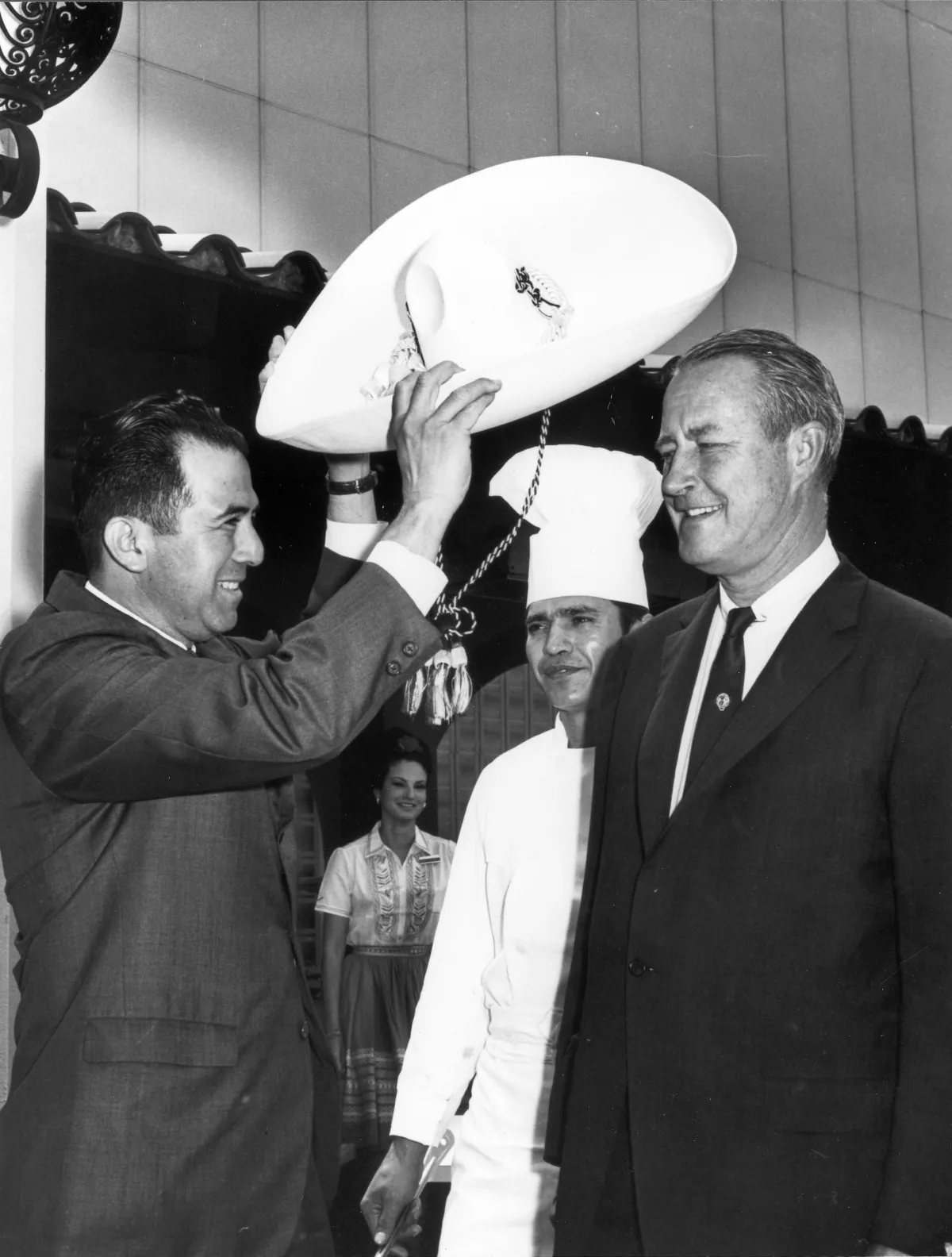 Photo: Angus Wynne Jr., via assets.dmagstatic.com
Born into a Texas oil family with the kind of last name that still opens doors in Dallas, Wynne grew up believing that wealth was less something you built than something you managed. His father had made the money. Angus's job, more or less, was to grow it carefully and pass it on intact.
He tried. He genuinely tried.
Through the late 1940s and into the 1950s, Wynne poured the family's resources into a series of real estate developments across the Dallas-Fort Worth area. Some were residential. Some were commercial. Most were ambitious. Nearly all of them bled money in ways that were hard to explain at the dinner table. By the time the decade turned, the Wynne fortune had shrunk to a fraction of what it once was, and Angus was staring at a piece of land in Arlington — halfway between Dallas and Fort Worth, which meant, in those days, that it was close to nothing in particular — trying to figure out what to do with it.
The land was cheap because it was swampy. It was swampy because nobody else wanted it. The math, as presented to Wynne by people who considered themselves practical, was simple: cut your losses, sell what you can, and stop pretending you're a developer.
Wynne had a different idea. He always had a different idea.
The Gimmick That Wasn't
In 1961, Six Flags Over Texas opened on that unremarkable stretch of Arlington ground, and almost everything about its launch looked like a long shot dressed up as a strategy.
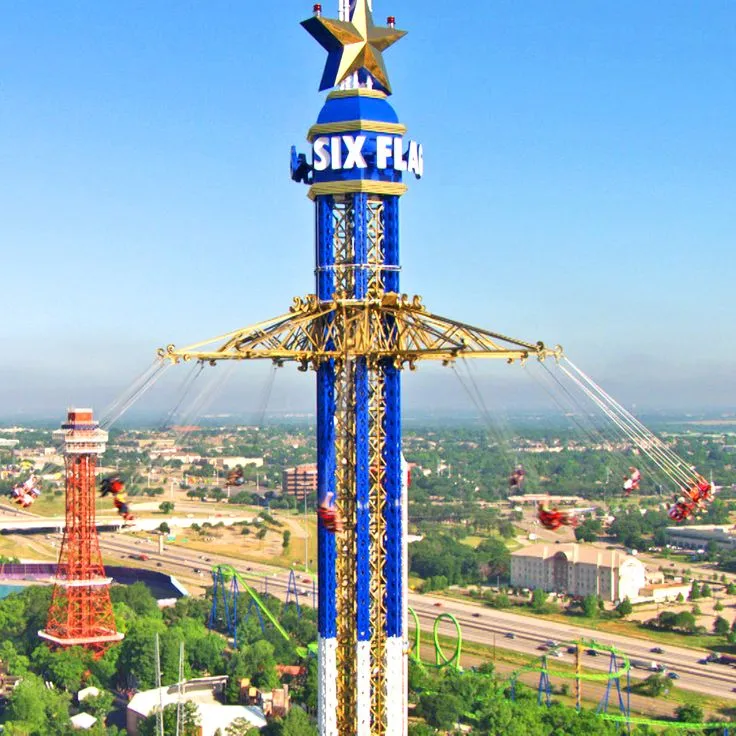 Photo: Six Flags Over Texas, via i.pinimg.com
The name itself came from a marketing concept that Wynne's team had cooked up to give the park a Texas-sized identity: six flags representing the six nations that had governed Texas soil — Spain, France, Mexico, the Republic of Texas, the Confederacy, and the United States. It was, by any honest measure, a historical gimmick. Journalists thought it was a little corny. Competitors — to the extent that regional amusement parks had competitors — didn't take it seriously.
But Wynne understood something that his critics didn't.
He wasn't building a carnival. He wasn't building a state fair. He was building an experience with a story attached to it, a place that gave families not just rides but a reason to feel like they'd been somewhere. Disney had opened Disneyland in California six years earlier, and while Wynne openly studied Walt's playbook, he saw a gap in the market that Disney wasn't interested in filling: the American middle of the country, full of families who couldn't afford a trip to Anaheim but desperately wanted somewhere to go.
Six Flags was never meant to compete with Disney. It was meant to be the thing that existed everywhere Disney wasn't.
What Failure Had Taught Him
Here's the part of the story that tends to get lost when people talk about Six Flags as a business success.
Wynne's previous failures weren't incidental to his eventual triumph — they were the curriculum. Every real estate deal that had gone sideways had taught him something specific about what people actually want versus what developers assume they want. He had learned, at considerable personal cost, that location matters less than experience, that people will travel farther than you think if you give them a genuine reason, and that the moment you stop telling a story, you become just another transaction.
The swampy land in Arlington, which had looked like a liability, turned out to be a feature. It was equidistant from two major Texas cities, which meant it belonged to neither of them and could serve both. That geographical ambiguity, which had made the land hard to sell for conventional development, made it perfect for something that needed to feel like a destination rather than a neighborhood.
Wynne had arrived at that insight not through brilliance but through elimination. He had tried everything else. This was what was left.
The Blueprint Nobody Credited
Within a decade of opening, Six Flags Over Texas was profitable enough to spawn a chain. Six Flags Over Georgia. Six Flags Over Mid-America. The regional theme park model — scalable, story-driven, geographically strategic — turned out to be one of the most durable concepts in American entertainment.
What's remarkable, and a little ironic, is how rarely Wynne gets the credit he deserves in conversations about the American leisure industry. Disney is the genius origin story. Six Flags is the footnote. But the executives who built the wave of regional parks that followed — the Busch Gardenses, the Worlds of Fun, the Cedar Points that expanded into destination properties — were studying what Wynne had figured out in Arlington, not what Walt had done in Anaheim.
The model was simpler, more replicable, and in many ways more honest about what most American families actually needed: not a fantasy kingdom, but a really good Saturday.
The Lesson in the Swamp
Angus Wynne died in 1979, wealthy enough but never quite the titan his family name had once suggested he might become. He sold his stake in Six Flags in the late 1960s, before the chain reached its full scale, which means he missed the largest financial rewards of the thing he had built.
That's the kind of detail that tends to make people wince when they hear it. All that struggle, all those setbacks, and he didn't even get to ride the wave all the way in.
But there's another way to read it.
Wynne didn't build Six Flags to get rich. He built it because he had run out of other options and the swampy land in Arlington was what he had left to work with. The fortune that followed wasn't the point. The point was that a man who had been written off as a failed heir to a diminished fortune looked at a piece of ground nobody wanted and saw, with the particular clarity that only comes from having lost almost everything, exactly what it could become.
The American theme park weekend — the sticky August afternoon, the overpriced lemonade, the kids asleep in the back seat on the way home — has a lot of fathers. But one of the least celebrated of them was a broke Texas dreamer standing in a swamp, betting that failure had finally taught him enough to get something right.