When Diagnosis Became Destiny: Seven Entrepreneurs Who Built Empires from Their Darkest Moments

When Life Hands You a Diagnosis, Some People Build a Company
The phone call came on a Tuesday. Sara Blakely's mother had been diagnosed with multiple sclerosis. Watching her struggle with basic daily tasks, Blakely noticed something the medical establishment had missed: existing products weren't designed by people who actually lived with these challenges.
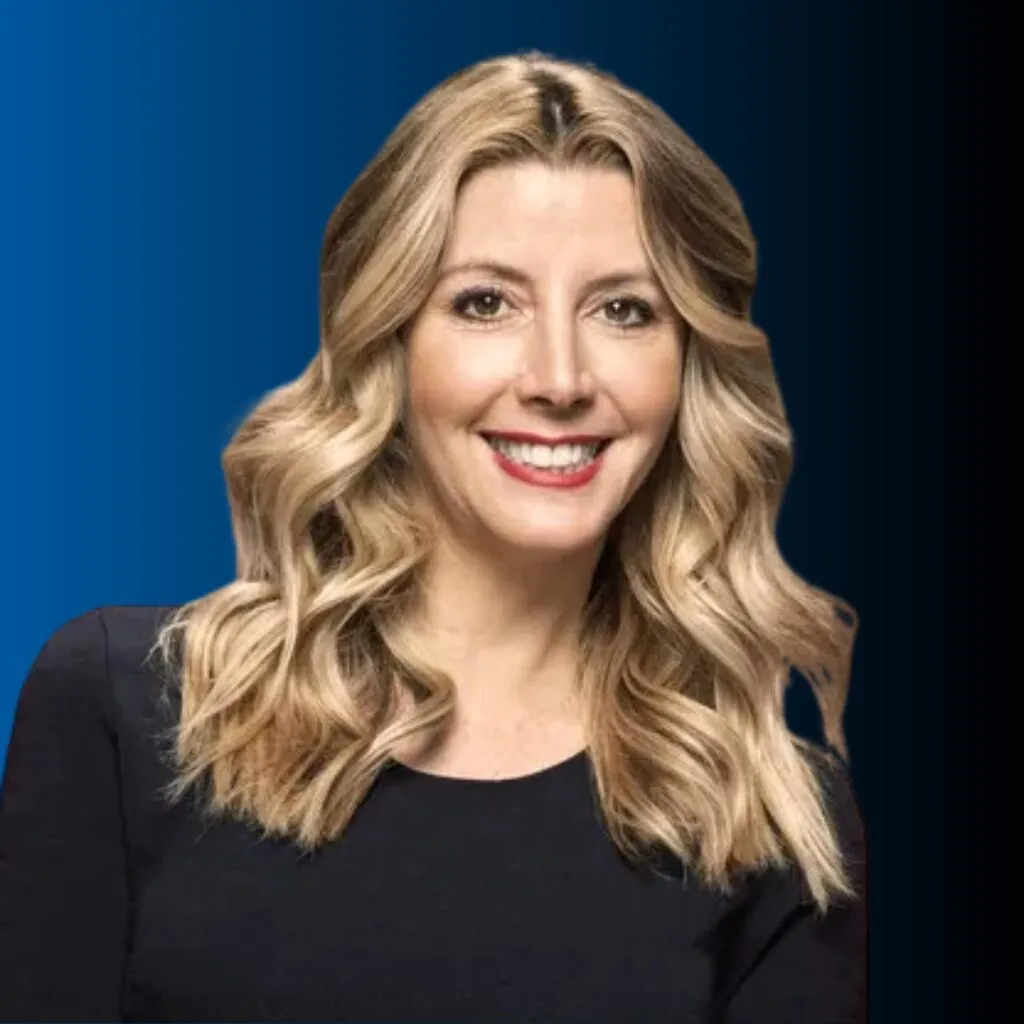 Photo: Sara Blakely, via geeksaroundglobe.com
That observation would eventually lead to Spanx, but not in the way you might think. Blakely's real breakthrough wasn't shapewear—it was understanding that the biggest business opportunities often hide in the problems that affect you personally.
She's not alone. Across America, entrepreneurs have turned their most challenging medical moments into their greatest business advantages. Here are seven who prove that sometimes your setback is actually your setup.
1. The Diabetic Who Revolutionized Blood Sugar Monitoring
John Daniels was nineteen when Type 1 diabetes nearly killed him. In 1981, managing blood sugar meant painful, inaccurate finger pricks multiple times daily. Frustrated by the primitive technology, Daniels taught himself biomedical engineering while working night shifts to pay for college.
Twenty years later, his company revolutionized glucose monitoring with continuous sensors that diabetics wear like a small patch. "Living with diabetes every day gave me insights that no focus group could provide," Daniels explains. "I knew exactly what needed to be solved because I lived with the problem 24/7."
His company now serves over 3 million diabetics worldwide, but Daniels says the real victory is simpler: "Kids today don't have to go through what I did. That's worth more than any valuation."
2. The Mom Who Turned Autism Into Understanding
When Temple Grandin was diagnosed with autism in the 1950s, doctors told her mother to institutionalize her. Instead, Eustacia Cutler spent decades developing educational approaches that worked for her daughter's unique mind.
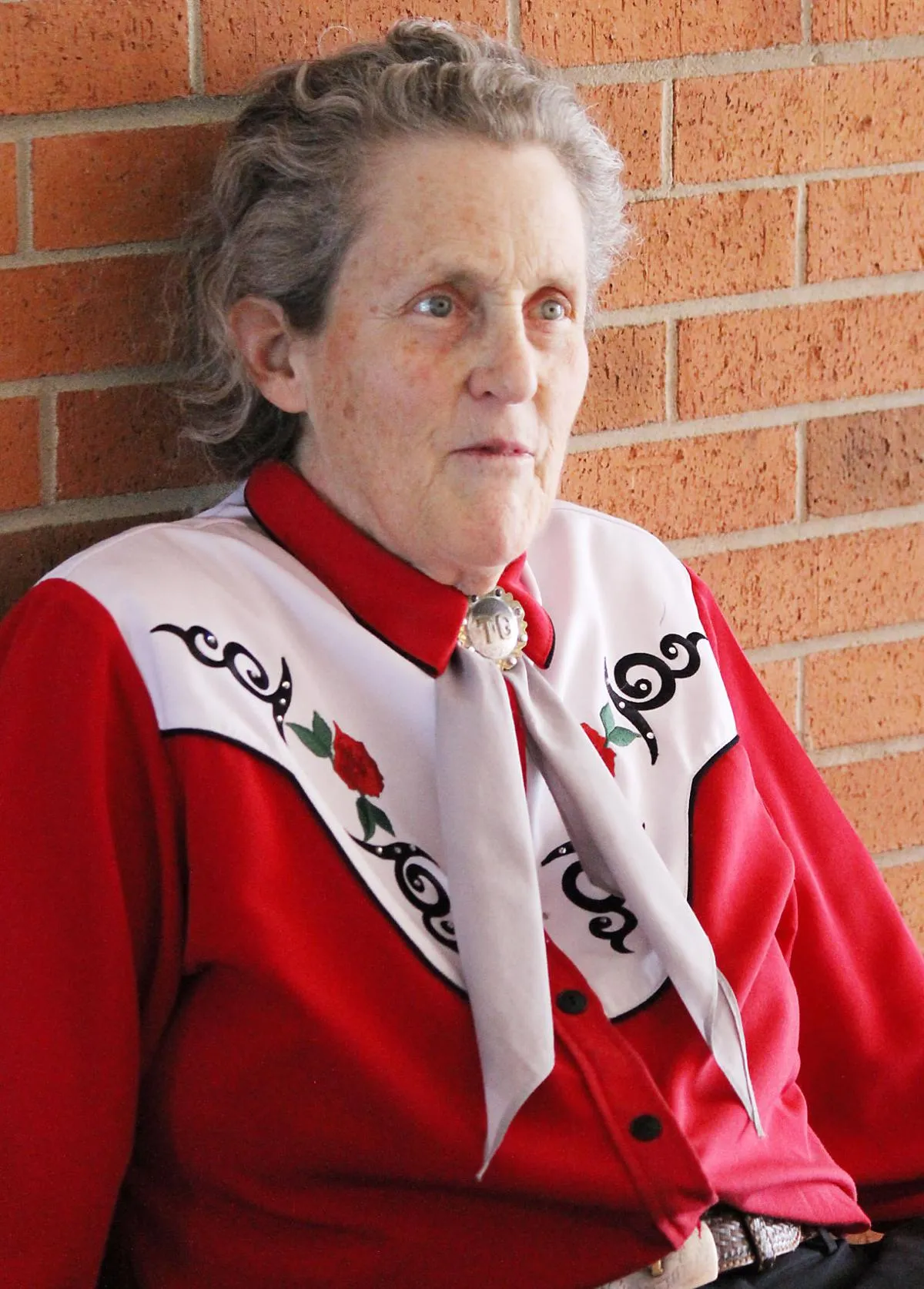 Photo: Temple Grandin, via bloximages.chicago2.vip.townnews.com
Those techniques became the foundation for a consulting firm that has helped thousands of families navigate autism diagnoses. "I learned that different doesn't mean deficient," Cutler says. "That insight became a business philosophy that changed how America thinks about neurodiversity."
Her methods are now used in school systems across forty-three states, proving that sometimes the most profound business insights come from the most personal struggles.
3. The Chronic Pain Sufferer Who Reinvented Physical Therapy
A car accident at twenty-five left Rebecca Martinez with chronic back pain that traditional physical therapy couldn't touch. Frustrated by one-size-fits-all treatments, she developed personalized exercise protocols based on her own recovery journey.
"Physical therapists were treating my symptoms, not my specific body," Martinez recalls. "I realized that customization was the missing piece." Her app now uses AI to create personalized therapy plans, serving over 2 million users who've found relief where traditional methods failed.
Martinez's competitive advantage? "I still live with chronic pain. I test every feature on myself first. That's user research you can't fake."
4. The Insomniac Who Solved Sleep
Michael Chen's insomnia began in graduate school and lasted fifteen years. He tried everything: medications, meditation, sleep clinics, mattress after mattress. Nothing worked until he started tracking his sleep patterns obsessively, looking for connections doctors missed.
"I had fifteen years of personal data on what didn't work," Chen laughs. "That's better market research than any consulting firm could provide." His sleep optimization company now helps corporations improve employee wellness through evidence-based sleep protocols.
The twist? Chen still struggles with sleep sometimes. "But now I help other people avoid the years of trial and error I went through. My insomnia became my expertise."
5. The Cancer Survivor Who Humanized Healthcare
Linda Rodriguez was thirty-two when breast cancer turned her into a full-time patient navigating a bewildering healthcare system. Between appointments, she documented every frustration: confusing bills, poor communication, lost test results.
"I kept thinking, 'There has to be a better way,'" Rodriguez remembers. After her recovery, she built a patient advocacy platform that helps people navigate complex medical situations. "Having cancer taught me that patients need someone in their corner who understands the system. I became that someone."
Her platform now serves over 100,000 patients annually, but Rodriguez measures success differently: "Every family that doesn't have to fight insurance companies alone while dealing with illness—that's a win."
6. The Dyslexic Who Transformed Learning
Richard Branson struggled with dyslexia throughout school, but his learning differences taught him to communicate in ways that everyone could understand. That skill became crucial when he started Virgin Airlines—he insisted on simplifying complex airline policies into plain English.
 Photo: Richard Branson, via media.cntraveller.com
"Dyslexia forced me to think differently about how information should be presented," Branson explains. "If I couldn't understand something, chances were most customers couldn't either." That philosophy shaped Virgin's customer-first approach across dozens of industries.
Branson's learning disability became his business superpower: the ability to see complexity from the customer's perspective.
7. The Anxiety Sufferer Who Calmed Millions
Panic attacks nearly derailed Alex Johnson's law career before it started. Traditional therapy helped, but Johnson noticed a gap: most anxiety management tools were designed by people who'd studied anxiety, not lived with it.
"There's a difference between understanding anxiety academically and knowing what it feels like when you can't breathe in a conference room," Johnson says. His anxiety management app incorporates techniques he developed during his own recovery, with features designed by someone who knows exactly when and how panic strikes.
The app has helped over 5 million users manage anxiety, but Johnson's proudest moment came from a different metric: "A teenager messaged me saying our app helped her get through her first job interview. That's why we built this."
The Advantage of Living Inside the Problem
These entrepreneurs share something beyond medical challenges: they all transformed personal experience into business insight. While competitors relied on market research and focus groups, these founders had something more valuable—they were their own target customers.
"When you live with a problem every day, you understand it at a level that no amount of research can replicate," explains Dr. Sarah Kim, who studies healthcare entrepreneurship at Stanford. "These founders didn't just identify market opportunities—they embodied them."
Their stories remind us that setbacks often contain the seeds of our greatest contributions. Sometimes the thing that makes life hardest also makes you uniquely qualified to solve problems that millions of others face.
In a business world obsessed with disruption and innovation, these entrepreneurs found something more powerful: authentic understanding of real human needs. Their diagnoses didn't define their limitations—they revealed their purpose.