7 Fortunes Built by People Who Were Told They Were Too Broken to Work

1. The Blind Entrepreneur Who Built a Billion-Dollar Empire
Jim Stengel lost his sight in a car accident at 25, just as he was starting his career in finance. His employer "regretfully" let him go, explaining that a blind person couldn't possibly handle complex financial analysis. Rehabilitation counselors suggested he learn to weave baskets.
Instead, Stengel spent two years teaching himself to use primitive computer screen readers. He discovered he could process financial data faster than his sighted colleagues had — without visual distractions, he absorbed pure information at incredible speeds.
In 1982, he founded Accessible Financial Services from his kitchen table, creating investment strategies specifically for disabled Americans who had been ignored by traditional firms. Today, his company manages over $3 billion in assets. The man deemed "unemployable" built an empire by serving customers everyone else had written off.
2. From Psych Ward to Pharmaceutical Fortune
Sarah Chen spent three months in a psychiatric hospital in 1995, diagnosed with severe bipolar disorder. When she was discharged, her employer at a major pharmaceutical company quietly moved her to "special projects" — corporate code for "we don't know what to do with you."
 Photo: Sarah Chen, via cdn.tatlerasia.com
Chen used her forced isolation to study the medications she was taking. She became obsessed with understanding why psychiatric drugs worked for some patients but not others. Her personal experience with medication side effects gave her insights that traditional researchers missed.
She quit her corporate job in 1998 and founded a biotech startup focused on personalized psychiatric medicine. Her company was acquired by Johnson & Johnson in 2019 for $2.1 billion. Chen's mental health crisis didn't derail her career — it revealed her life's work.
3. The Paralyzed Programmer Who Revolutionized Accessibility
A skiing accident in 2001 left Mark Rodriguez paralyzed from the chest down. His tech company offered him a desk job, but the office wasn't wheelchair accessible. "We'll figure something out," they promised, then never called back.
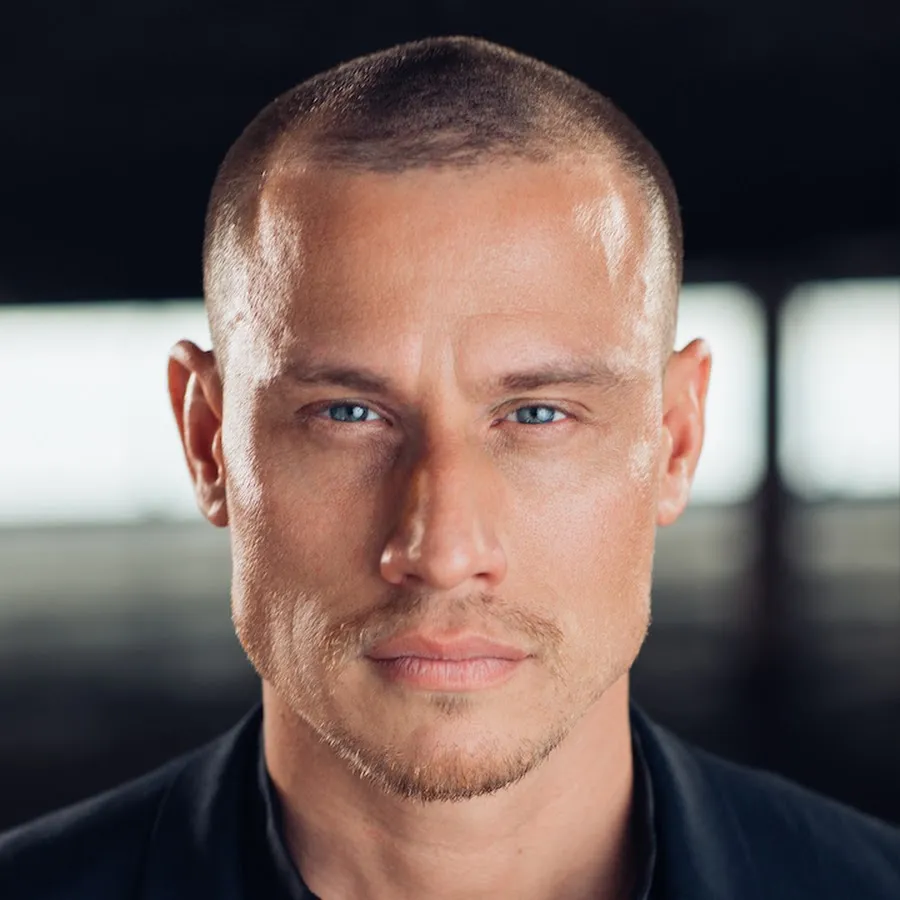 Photo: Mark Rodriguez, via yt3.googleusercontent.com
Rodriguez spent his recovery learning to code using voice recognition software and eye-tracking technology. The existing tools were clunky and frustrating, clearly designed by people who had never actually needed them.
He founded Adaptive Technologies in 2003, creating software that made computers genuinely usable for people with disabilities. Major tech companies now license his innovations. The programmer who was too "difficult to accommodate" created technology that Apple, Google, and Microsoft all depend on.
4. The Autistic Analyst Who Cracked Wall Street
Daniel Park was fired from three different Wall Street firms between 2005 and 2007. His autism made him "difficult to work with," according to performance reviews. He asked too many detailed questions, missed social cues, and couldn't handle the chaotic trading floor environment.
What his employers saw as deficits, Park recognized as advantages. His autism gave him an almost supernatural ability to spot patterns in market data that neurotypical analysts missed. He could focus on spreadsheets for 12 hours straight without getting bored or distracted.
In 2008, Park started his own hedge fund with $50,000 in savings. His systematic, pattern-based approach to investing generated returns of over 400% during his first five years. Today, his fund manages $800 million. The analyst who couldn't fit into Wall Street's culture created his own version of it.
5. From Chronic Pain to Wellness Empire
Fibromyalgia forced Lisa Martinez to quit her job as a nurse in 2010. Some days, the pain was so severe she couldn't get out of bed. Doctors told her to "learn to live with it." Her disability insurance ran out after two years.
Martinez began experimenting with alternative treatments — not because she believed in them, but because she was desperate. She documented everything: diet changes, supplements, exercise routines, meditation techniques. She approached her illness like a research project.
When she found combinations that actually helped, she started sharing them online. Her blog attracted thousands of followers dealing with similar conditions. In 2015, she launched a line of wellness products specifically designed for people with chronic pain.
Her company, Pain-Free Living, generated $15 million in revenue last year. Martinez turned her disability into expertise that traditional medicine couldn't provide.
6. The Dyslexic Designer Who Redefined Learning
Tom Williams was labeled "learning disabled" in elementary school and struggled through college with severe dyslexia. Traditional teaching methods never worked for him — he learned by building, drawing, and experimenting.
After graduation, he bounced between jobs that required heavy reading and writing. Every employer eventually found reasons to let him go. By 2012, he was working part-time at a children's museum, designing hands-on exhibits.
Williams realized that his learning "disability" was actually a different kind of intelligence. He founded Educational Innovations, creating learning tools for kids who struggled in traditional classrooms. His products are now used in over 5,000 schools nationwide.
The man who couldn't learn the "normal" way created new ways for millions of kids to learn.
7. The Veteran Who Turned PTSD Into Purpose
Robert Kim returned from Afghanistan in 2013 with severe PTSD. Panic attacks made it impossible to work in his pre-military career in finance. The VA suggested he apply for disability benefits and "take it easy."
Kim couldn't handle being idle. He started a small business doing yard work — outdoor physical labor helped manage his anxiety. But he noticed that many of his clients were elderly veterans who reminded him of his grandfather.
He pivoted his business to focus specifically on helping elderly veterans with home maintenance and companionship. His deep understanding of military culture and trauma made him uniquely qualified to serve this population.
Veterans Home Services now operates in 15 states and employs over 200 veterans. Kim's PTSD didn't end his career — it revealed his mission.
The Pattern in the Setbacks
These seven stories share a common thread: being forced out of conventional employment gave each person the freedom to build something entirely new. Their "disabilities" weren't obstacles to overcome — they were sources of insight that their competitors didn't have.
Being written off by traditional employers forced them to understand their markets more deeply than anyone else could. They didn't succeed despite their setbacks — they succeeded because their setbacks gave them perspectives that no business school could teach.
Sometimes being "too broken to work" is exactly what prepares you to build something unbreakable.