The Outsider's Recipe: How a Fisherman's Son Fed America Without Anyone Knowing His Name
The Boy Who Smelled Like Fish
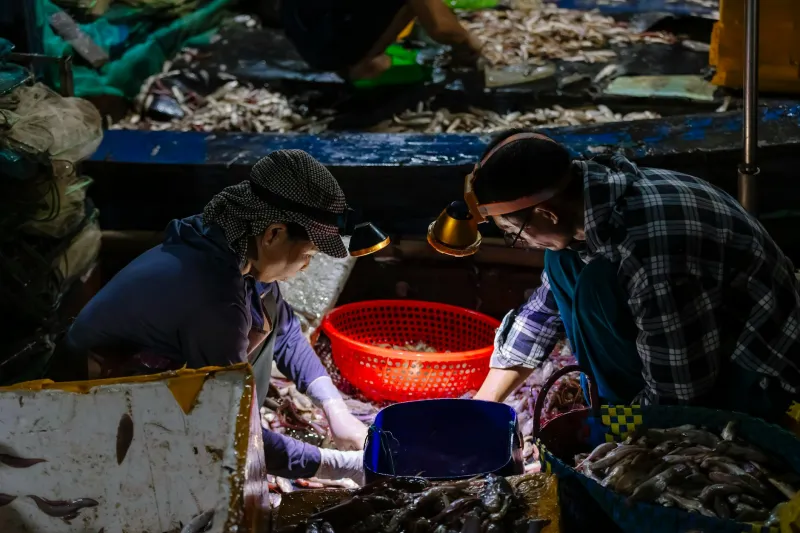
Roberto Martinez was twelve when he realized other kids held their breath when he walked by. The smell of fish followed him everywhere—embedded in his clothes, under his fingernails, woven into the fabric of his daily life aboard his father's commercial fishing boat off the coast of San Pedro, California.
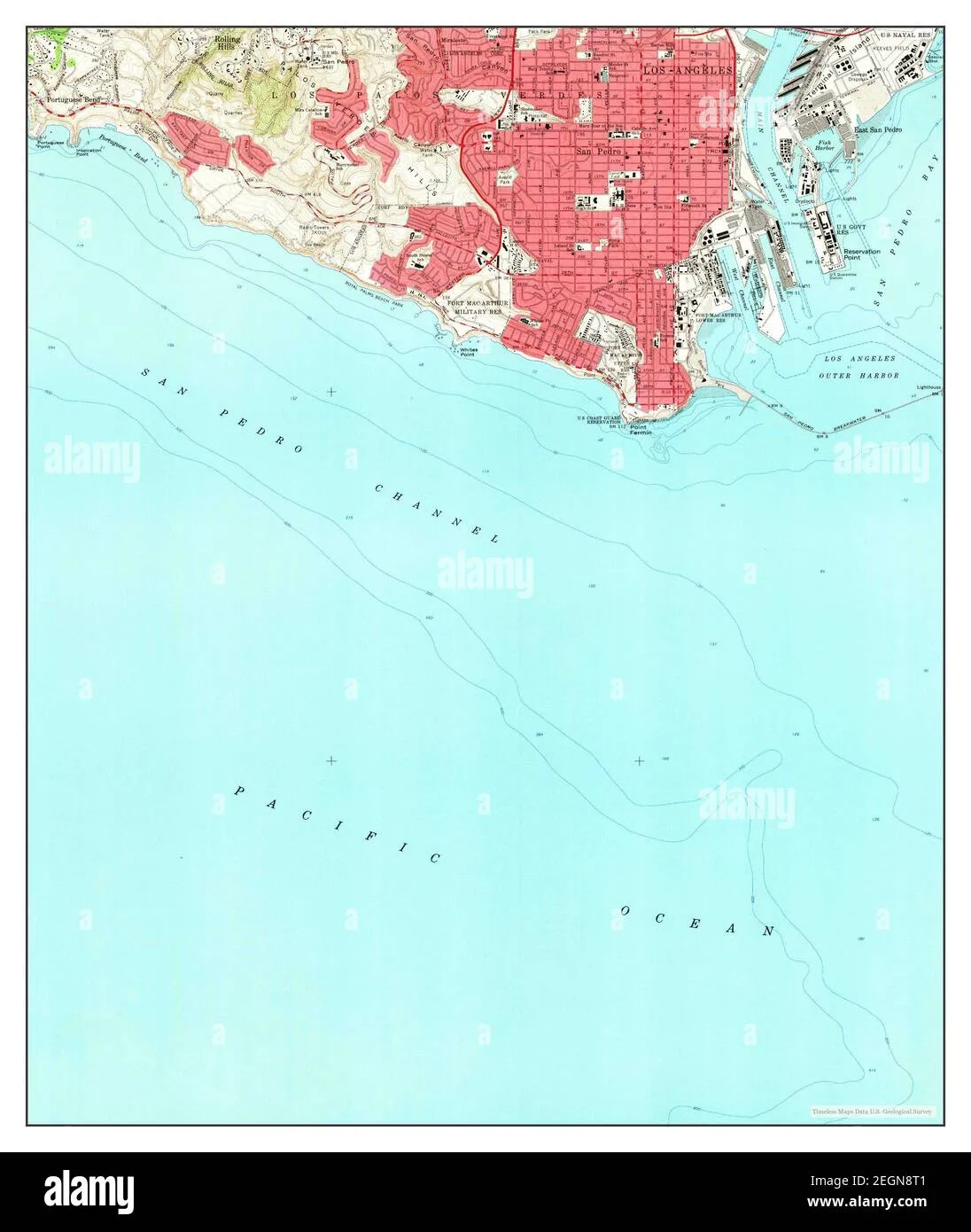 Photo: San Pedro, California, via c8.alamy.com
While his classmates played video games after school, Martinez was learning to read the ocean, to judge the freshness of a catch by the clarity of its eyes, to understand that the best food came from understanding where it originated. He didn't know it then, but those lessons would eventually transform how millions of Americans eat.
Today, Martinez's innovations in food distribution and freshness technology touch nearly every grocery store chain in the country. Yet his name appears on no products, graces no restaurant marquees, and rarely surfaces in food industry publications. He built an empire by remaining invisible—the ultimate outsider who changed everything from the inside.
Rejected by the Establishment
At eighteen, Martinez applied to every culinary school in California. His grades were decent, his essays passionate, but his applications were uniformly rejected. "I didn't understand why until years later," he recalls. "I was writing about fish markets and dock work while other applicants were writing about French cuisine and fine dining. I didn't speak their language."
Instead of culinary school, Martinez enrolled in business classes at a community college while continuing to work on fishing boats. He watched restaurant buyers select fish based on appearance rather than freshness, saw perfectly good catches discarded because they didn't look the part, witnessed the disconnect between those who caught food and those who served it.
"The food world had all these rules about what made something 'quality,'" Martinez explains. "But a lot of those rules had nothing to do with actual quality. They were about tradition, about who belonged and who didn't."
The Innovation Born from Exclusion
Martinez's breakthrough came from a problem that established food industry players didn't even recognize. In the early 1990s, he noticed that restaurants were losing money not because they couldn't get good fish, but because they couldn't predict when good fish would arrive.
"Chefs would plan menus around fish deliveries that might not show up, or might not be the quality they expected," Martinez recalls. "Meanwhile, we had amazing catches sitting on boats because there was no reliable way to connect supply with demand in real-time."
Working from a borrowed desk at the fish market where his father sold his catch, Martinez developed a communication system that connected fishing boats directly with restaurants and distributors. His innovation wasn't the technology—it was understanding both sides of a problem that no one else was positioned to see.
Building Bridges No One Knew Were Missing
Martinez's system started simple: beepers and fax machines connecting boats to buyers. But his real insight was cultural, not technological. He served as translator between two worlds that had never learned to communicate effectively.
"Fishermen knew the ocean, but they didn't understand restaurant economics," Martinez explains. "Chefs understood flavor, but they didn't understand why the same fish could taste completely different depending on how it was handled. I spoke both languages."
By the mid-1990s, Martinez had expanded beyond fish to include produce, meat, and dairy. His company became the invisible infrastructure connecting small producers with major food distributors, ensuring that quality and freshness information traveled with the food itself.
The Ripple Effect
Martinez's innovations transformed American eating in ways that most consumers never recognize. The farm-to-table movement that exploded in the 2000s? It relied heavily on distribution networks that Martinez had pioneered a decade earlier. The explosion of sushi restaurants across America? Martinez's freshness tracking systems made it possible for landlocked cities to serve raw fish safely.
"Roberto solved problems that the food industry didn't even know it had," says Jennifer Walsh, a food historian at UC Davis. "He made it possible for small producers to compete with industrial agriculture, for restaurants to serve truly fresh ingredients, for consumers to access quality food regardless of geography."
 Photo: UC Davis, via cdnassets.hw.net
Today, Martinez's company processes over $2 billion worth of food annually, connecting thousands of small producers with major retailers and restaurants. His freshness tracking technology is now industry standard, but few people outside the food business know his name.
The Power of the Outsider Perspective
Martinez's story illuminates something crucial about innovation: sometimes the most transformative changes come from people who aren't supposed to be in the room. His outsider status—the fisherman's son who smelled like his father's boat—became his greatest asset.
"I never tried to fit into the food establishment," Martinez reflects. "I just tried to solve problems I could see clearly because I lived on both sides of them. When you're not worried about maintaining the status quo, you're free to reimagine how things could work."
His approach challenged fundamental assumptions about how food moves from producers to consumers. Where the industry saw separate, specialized roles, Martinez saw opportunities for connection. Where others saw tradition, he saw inefficiency.
Beyond Food: Lessons for Every Industry
Martinez's success offers insights that extend far beyond food distribution. In industry after industry, the most significant innovations often come from outsiders who see problems differently because they experience them differently.
"The food world taught me that expertise isn't just about formal training," Martinez says. "Sometimes the most valuable expertise comes from living inside a problem that everyone else only visits occasionally."
His company now works with industries beyond food—helping small manufacturers connect with major retailers, developing supply chain solutions for everything from flowers to pharmaceuticals. The principles remain the same: understand all sides of a problem, build bridges between disconnected worlds, and never assume that the way things are done is the only way they could be done.
The Invisible Empire
Today, Martinez operates from a modest office complex in Long Beach, California. No corporate headquarters, no flashy signage, no publicity campaigns. His success is measured in efficiency gains and quality improvements that most consumers never notice.
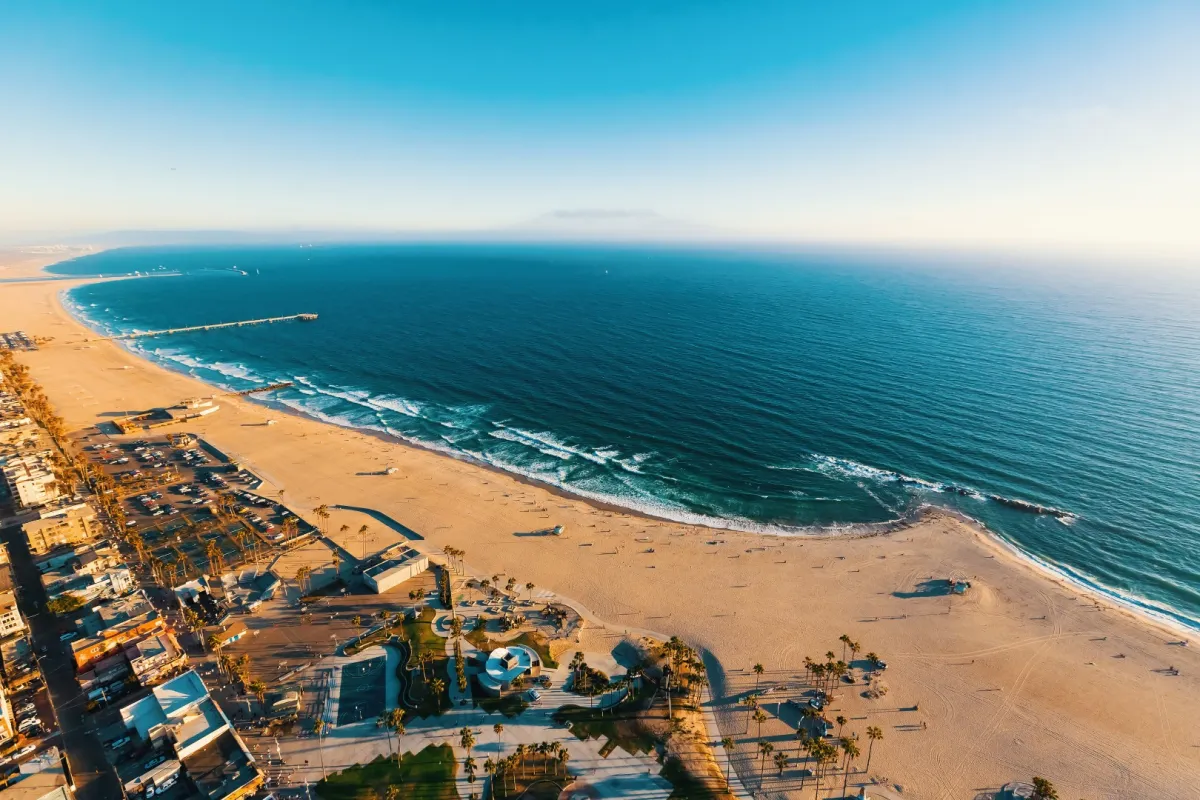 Photo: Long Beach, California, via www.californiabeaches.com
"I'm not trying to be famous," he says. "I'm trying to make the food system work better for everyone—producers, distributors, restaurants, consumers. The best infrastructure is invisible. People only notice it when it breaks down."
Martinez still visits fishing boats regularly, still judges freshness by looking at fish eyes, still carries the smell of the ocean on his clothes. The boy who was excluded from the culinary establishment ended up transforming it from the outside, proving that sometimes the most powerful position is the one no one thinks to defend against.
His story reminds us that innovation often comes not from those at the center of an industry, but from those on its margins—people who see clearly because they've never been taught what they're not supposed to notice.