When Horror Was Born from Heartbreak: The Teenager Who Created Science Fiction While the World Called Her a Fraud
The Summer That Changed Everything
Lake Geneva, 1816. While most teenagers were worried about finding their place in the world, Mary Godwin was sitting in a villa with some of history's most notorious poets, inventing an entirely new genre of literature. She was 18, unmarried, pregnant, and about to write a book that would outlive everyone in that room.
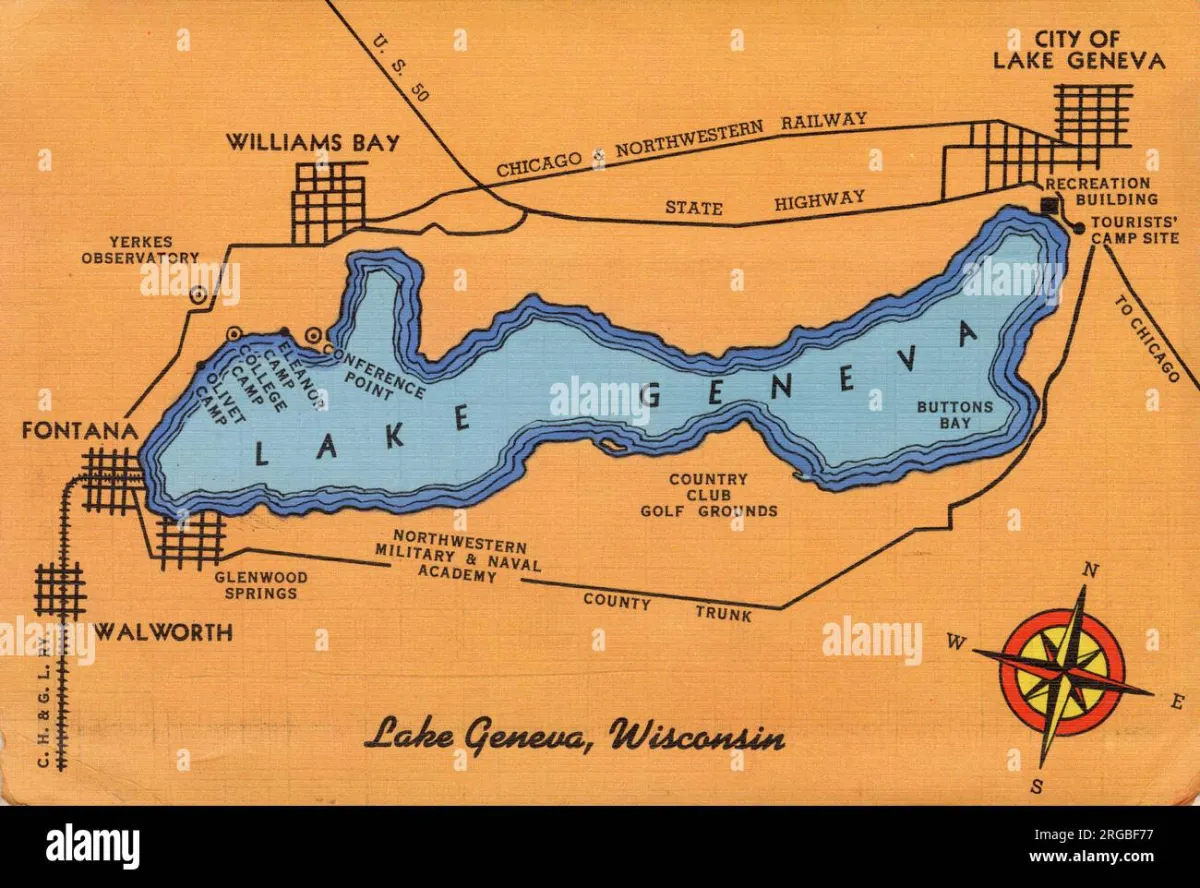 Photo: Lake Geneva, via c8.alamy.com
The challenge seemed innocent enough: Lord Byron suggested they each write a ghost story to pass the time during a particularly gloomy Swiss summer. Percy Shelley, Mary's lover, and Dr. John Polidori joined in. But while the men struggled with their tales, Mary's imagination conjured something unprecedented—a story about a scientist who creates life from death, only to be horrified by his creation.
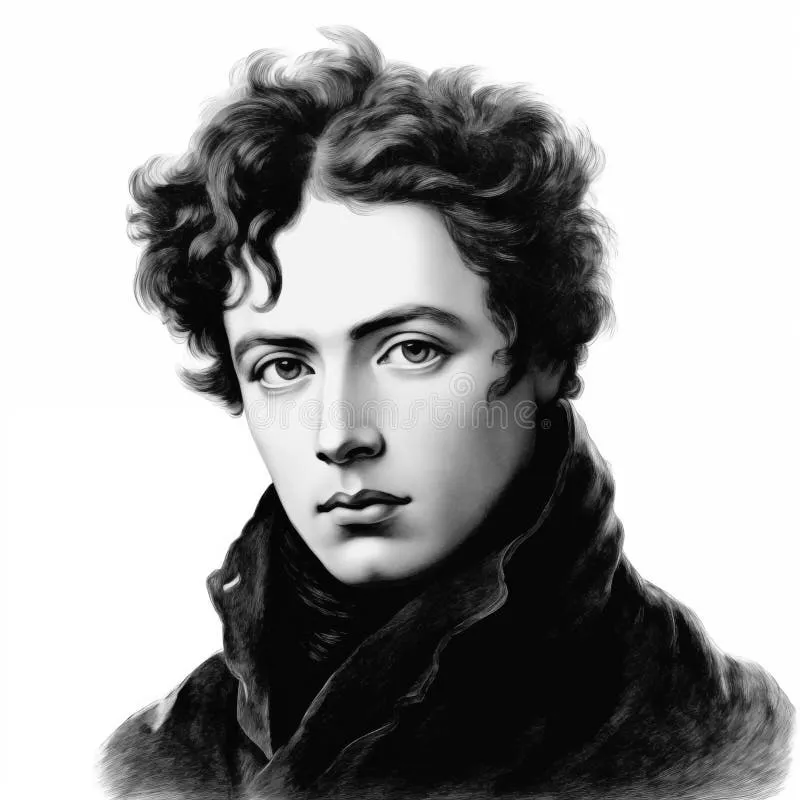 Photo: Percy Shelley, via thumbs.dreamstime.com
What emerged from that summer would become Frankenstein, but the real story isn't just about a monster. It's about a young woman who dared to imagine the unimaginable while the world around her crumbled.
Writing Through Catastrophe
By the time Mary put pen to paper, tragedy had already marked her life with brutal efficiency. Her mother, feminist pioneer Mary Wollstonecraft, died giving birth to her. Her half-sister Fanny would commit suicide just months before that famous summer. And during the writing of Frankenstein, Mary's own infant daughter died—the second child she'd lost.
Most people would have been paralyzed by such grief. Mary channeled it into something revolutionary.
She wrote Frankenstein while nursing her surviving son, William, often working late into the night when the household finally quieted. The book's themes of creation and destruction, of love and abandonment, weren't abstract philosophical concepts for Mary—they were her daily reality.
"I busied myself to think of a story," she later recalled, "which would speak to the mysterious fears of our nature." Those fears weren't mysterious to her. They lived in her bones.
The Fight for Her Own Words
When Frankenstein was published in 1818, it appeared anonymously. The preface was signed by Percy Shelley, leading many to assume he was the author. For decades afterward, critics and scholars would insist that Mary couldn't possibly have written such a sophisticated work. She was too young, too female, too inexperienced.
The literary establishment had a simple explanation: Percy must have written it, and Mary was merely his secretary.
This wasn't just casual sexism—it was systematic erasure. Reviews praised the "masculine vigor" of the writing while dismissing any possibility that a teenage woman could have conceived such complex themes. When later editions included Mary's name, critics suggested she had merely transcribed her husband's dictation.
Mary spent the rest of her life fighting these assumptions. She revised Frankenstein multiple times, each revision making her authorship more explicit. She wrote detailed accounts of the book's genesis, explaining exactly how she conceived the story during that sleepless night in Geneva. She published other novels, stories, and essays, building a body of work that should have silenced the doubters.
But doubt, once planted, grows like weeds.
The Monster Lives
What makes Mary's story even more remarkable is how thoroughly her creation has outlasted her critics. Frankenstein has never been out of print. It spawned countless adaptations, inspired entire genres, and gave us the modern conception of science fiction. The questions Mary raised about scientific responsibility, artificial intelligence, and what makes us human remain more relevant than ever.
Meanwhile, the men who supposedly "really" wrote her book? Their own works gather dust on academic shelves.
Modern scholarship has thoroughly vindicated Mary's authorship. We have her manuscripts, her revisions, her detailed explanations of how she developed the story. The evidence is overwhelming—and always was.
But perhaps the most convincing proof lies in the work itself. Frankenstein explores themes of motherhood, creation, and abandonment with an intimacy that only someone who had lived those experiences could achieve. The monster's eloquent speeches about loneliness and rejection read like the words of someone who knew exactly what it felt like to be misunderstood and dismissed.
Beyond the Monster
Mary's later life proved she was far more than a one-book wonder. She supported herself and her son through her writing after Percy's death, producing novels, short stories, and biographical works that showcased her range and intellect. She edited Percy's works and wrote travel books based on their European journeys.
She also became an early advocate for what we'd now call intellectual property rights, fighting publishers who tried to exploit her work and defending other authors against similar treatment.
In many ways, Mary Shelley's real monster wasn't the creature in her famous novel—it was the literary establishment that tried to steal her voice. But like her fictional creation, she refused to stay buried.
The Lesson in the Lightning
Mary Shelley's story reminds us that genius doesn't always announce itself with fanfare. Sometimes it whispers in the dark while the world sleeps, born from heartbreak and nurtured by determination.
She wrote Frankenstein not because she was trying to invent science fiction—the genre didn't even exist yet. She wrote it because she had something to say about life, death, and what it means to create something you can't control.
The critics who dismissed her work weren't just wrong about Mary Shelley. They were wrong about the nature of genius itself. They expected it to look like them—male, established, credentialed. They couldn't recognize it in the form of a grieving teenager who dared to imagine electricity could spark more than just dead tissue.
Today, when we talk about Frankenstein, we're really talking about Mary's victory. Every time someone references "Frankenstein's monster" in discussions about AI or genetic engineering, they're invoking the imagination of that 18-year-old girl who refused to let the world silence her.
She gave us our monsters. But more importantly, she taught us that sometimes the most powerful response to being told you can't do something is to go ahead and do it anyway—and do it so well that the world can never forget.